
Alta Via 1 (AV1) Self-guided
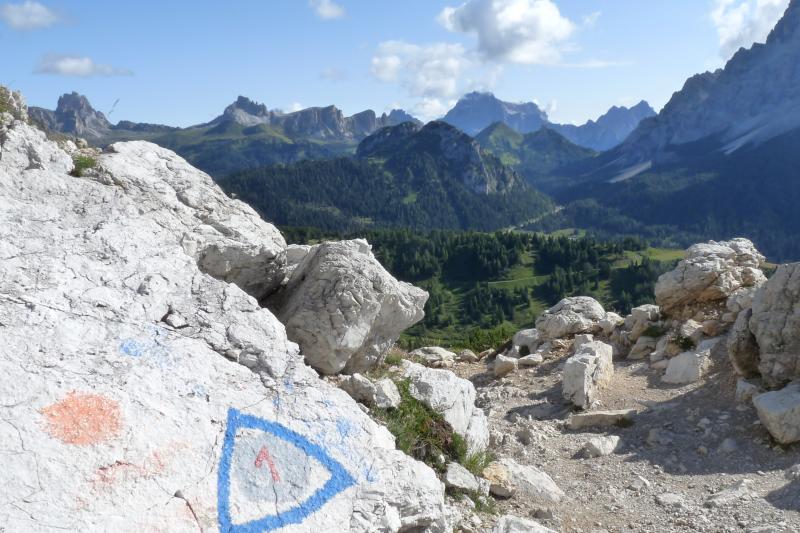
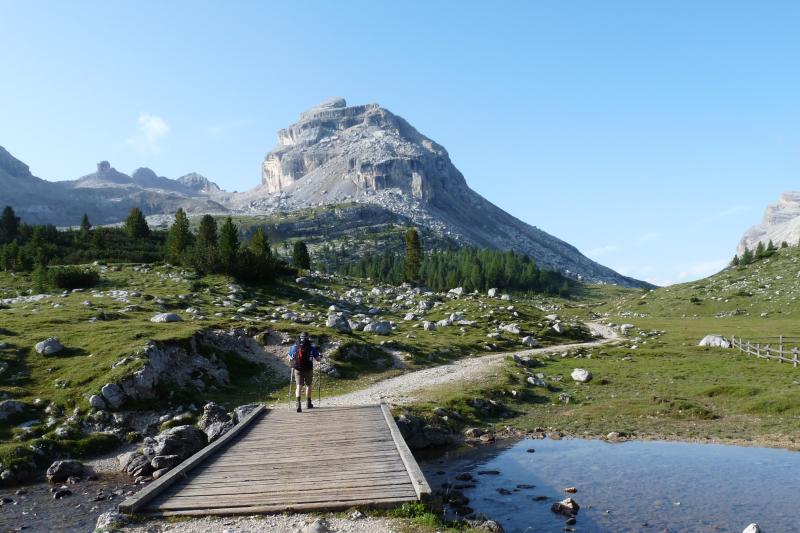
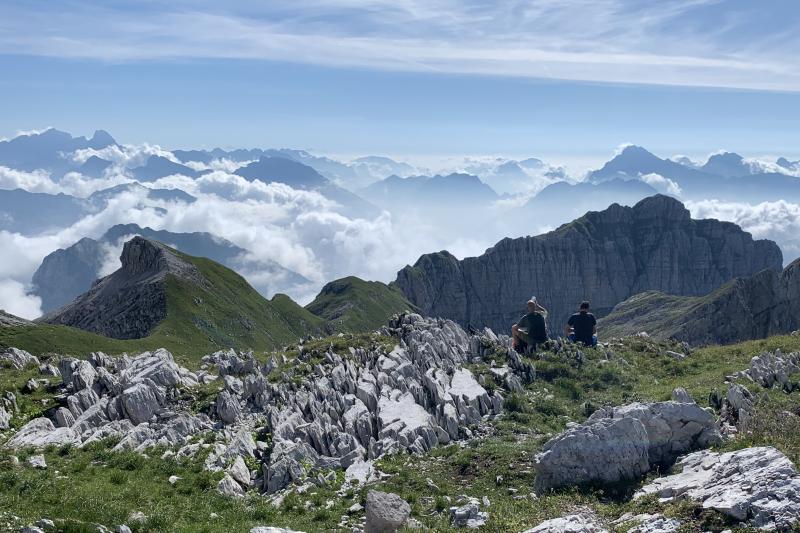
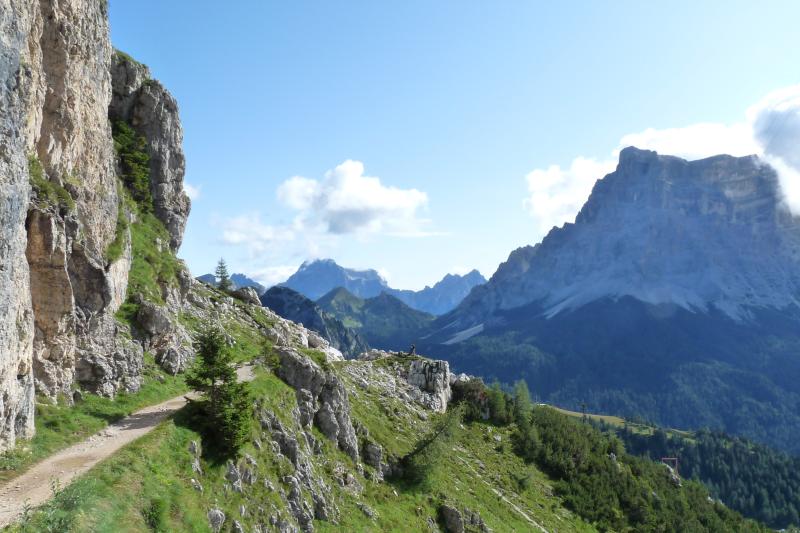

Iconic Sights of the Dolomites

Rifugio-to-Rifugio Hiking

Culinary Highlight

Private Room Options

Easy Navigation

World War I Historical Sites
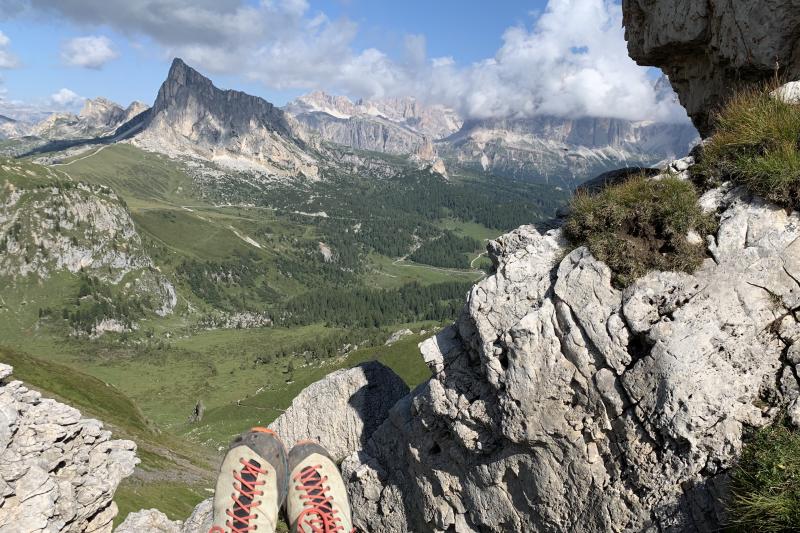
The Alta Via 1 trek is Italy's highlight long-distance hiking trail and leads awe-struck hikers through the Dolomites from north to south. This route is famous, and for very good reason. Along the way are a multitude of comfortable mountain huts. What makes this tour truly stand out is the World War I history, as it passes by former battlefields, fortification remnants, and other clues that this serene environment was not always so peaceful. We recommend doing some reading on World War I history in the Dolomites before the tour, to make it that much more interesting.

Location
Dolomites, Italy

Airport
Venice, Italy

Season
mid-June to mid-September

Responsible Travel Score
GO Hike the Alta Via 1
Alta Via 1 Self-guided Itineraries
Condition

Difficulty

Condition

Difficulty
Condition
Difficulty
Condition
Difficulty
Condition
Difficulty
Condition
Difficulty
Condition
Difficulty
Condition
Difficulty
Condition
Difficulty
Condition
Difficulty
Our Alta Via 1 Itineraries
The Alta Via 1 has many variations. All of our trekking itineraries AVOID the two via ferratas that are located along the official route. Our VF4 Alta Via 1 with Via Ferratas is the only itinerary we offer that includes via ferratas, and would require via ferrata gear. We offer our customers as many options and variations as possible along the Alta Via 1, including doing the first via ferrata if they like.
We strongly recommend that anybody interested in hiking in the Dolomites reads our blog post: Trekking in the Dolomites - Let's get real.
Trail Access and Exit Points
You may notice, that our itineraries use a variety of entry and exit points. We provide details about how to get to and from these points in our eGuidebooks that are issued to customers. It's possible to get a good overview of public transfer options using Google Maps (but always go directly to the operator for specific timetable information).
Here's a quick summary of the access and entry points:
Lago di Braies: Lago di Braies (also the Pragser Wildsee in German) is the official starting point of the Alta Via 1. It is quite a journey to reach Lago di Braies from any major airports, although easily managed thanks to a strong public transportation system. The lake has become somewhat of an Instagram sensation, and gets very crowded. Almost all of our itineraries that begin at Lago di Braies have Malga Ra Stua as an alternate trailhead.
Malga Ra Stua: We call Malga Ra Stua the "sneak approach" to the Alta Via 1. Malga Ra Stua is located above the town of Fiames, which is just north of Cortina d'Ampezzo. During July and August, a shuttle runs regularly from Fiames to Malga Ra Stua. Outside of the shuttle's season of operation, a taxi is necessary. Starting the Alta Via 1 from Malga Ra Stua instead of from Lago di Braies misses the famous lake, but has some clear benefits:
- It is easier and faster to reach Malga Ra Stua from Cortina during the shuttle's operating season, making this a sensible option for those who are short on time
- Starting at Malga Ra Stua avoids the large ascent that is required when starting at Lago di Braies
Passo Falzarego/Ra Nona Bus Stop/Cinque Torri Bus Stop: Passo Falzarego is located just below Rifugo Lagazuoi. A bus connects Passo Falzarego several times a day to Cortina for most of the season. This bus stops running every year sometime during the 2nd week of September. After this time, a taxi is required. The Bus Stops Ra Nona and Cinque Torri are on the road that connects Passo Falzarego to Cortina d'Ampezzo, and therefore, are on the same bus line. There is also a bus with a longer operating season that connects Passo Falzarego to Corvara (this bus does not service the Ra Nona or Cinque Torri Bus Stops).
Palafavera: Palafavera is a ski area that sits below Passo Staulanza. There is a bus that connects from Belluno to Palafavera, but there are a limited number of daily connections*. This bus has a limited operating season and stops running each year sometime in the second week of September. When this bus is not running, it is necessary to take a taxi.
Listolade: Listolade sits below Rifugio Vazzoler and is well connected to Belluno via a bus connection in Agordo that runs year-round*. Exiting at Listolade requires a large descent, some of which can be bypassed via taxi.
Passo Duran: Passo Duran is an alternate exit point to Listolade. There is no public transportation to Passo Duran and it is necessary to book a taxi in advance in order to access Passo Duran. Aside from the taxi requirement, we find this to be a very pleasant point to exit the Alta Via 1, as the descent to Passo Duran is minimal compared to the descent to other exit points.
Forno di Zoldo: Forno di Zoldo sits below Rifugio Sommariva al Pramperet. It is possible to connect to the rail network by bus* to Longarone. This bus may stop operating in the second week of September. After this, a taxi may be necessary. Exiting at Forno di Zoldo requires a long descent, much of which can be bypassed by taxi.
La Pissa Bus Stop: This is the standard hiker's exit for the Alta Via 1, and it is connected by bus year-round to Belluno*. Exiting the Alta Via 1 (translated to the "high route") does require a massive descent, and the last day and half is spent mostly descending.
Belluno: The official Alta Via 1 route does not exit at the La Pissa Bus Stop, but rather continues below Mount Schiara on a technical via ferrata all the way to Belluno. This via ferrata is only suitable for hiker's with via ferrata or rock climbing experience. It is challenging and sustained. Exiting at Belluno adds an extra day versus exiting at the La Pissa Bus Stop. Some of the descent can by bypassed by taxi, and a smaller portion can be bypassed by bus.
*The bus timetable may be restricted on Sundays and on national holidays
Note that bus timetables are usually only published during the season they are running. This means that, in many cases, advanced research about connection options is not possible.
Which Section of the Alta Via 1?
Sometimes, we just don't have the time or the desire to hike the entire route. For these circumstances, we split the trail into three shorter versions. The trail changes in character as it travels from north to south, which makes choosing a section fairly straightforward for many hikers:
Northern Section - Alta Via 1 4-day North Itinerary: This itinerary begins at Lago di Braies (or Malga Ra Stua as an alternate) and continues to the Cinque Torri area, just below Passo Falzarego. Here are some of it's characteristics:
- The highlights are Lago di Braies and the Cinque Torri region
- If you start at Lago di Braies, instead of Malga Ra Stua, you have a large ascent on the first day
- The huts along this stretch are more comfortable and almost all offer private rooms
- This area is frequented by day visitors, making the trails quite full
- Several huts along this stretch host many visitors who stay for several days or up to a week. This means these huts fill up quickly than on other stretches of the Alta Via 1
- Availability is extremely limited and these huts book out for the full season early. This means that private rooms at these huts are only available to those who book their tour very early (August the year prior). For bookings that arrive after January, it is usually necessary to do one or two nights of off-trail accommodation, easily reachable by bus, in order to make itineraries work
Central Section - Alta Via 1 4-day Central Itinerary: This itinerary begins in the Cinque Torri region and exits at Listolade (or Passo Duran as an Alternate). It delivers a perfect balance between comfort and remote beauty, with less crowded areas than the northern section has. Here are some of it's characteristics:
- The highlights are the Cinque Torri region, the incredibly beautiful passage after Passo Giau and traversing below the Civetta
- Starting with a chairlift, you avoid a large ascent at the beginning of the tour. At the end, you have the option to exit at Passo Duran, which avoids a large descent
- Most of the huts on this stretch offer private rooms, and they have more availability than on the northern stretch
- There are some high-traffic areas, but most of the time, trails are loneliner than they are on the northern stretch
- Outside of the main hiking season, it may be necessary to use a taxi to access the starting point
- This section often has the best availability, and the best itineraries, later into the season
Southern Section - Alta via 1 5-day South Itinerary: This itinerary begins at Palafavera and ends at the La Pissa Bus Stop, the regular hiker's exit. This stretch of the trail is the most remote section, which means the huts are also the most rustic. This is a clear winner for those looking for a backcountry experience, solitude and more rugged terrain. Here are some of it's characteristics:
- The highlights are traversing below Monte Civetta and the Cima de Zita
- There are very few high-traffic stretches of trail, and there is plenty of solitude along the way
- The views at the end of the Alta Via 1 that stretch out over layered ridgelines are just magical
- A true and authentic experience at the mountain huts
- Outside of the main hiking season, it may be necessary to use a taxi to access the starting point
- There is a lot of descending over the last two days of hiking
More Tour Photos from our Facebook Album


We love a father-daughter hiking duo!
Check our what Leah had to say after hiking the Alta Via 1 with her dad:
“We got to live our absolute dream week thanks to Alpenventures! Their guidance and planning took us on the most incredible route through the Alta Via 1 and we are so grateful. From beginning to end, north to south, everything was exceptional, beautiful, and so very special. Thank you Alpenventures, for the most magical experience!!”
🔗 www.alpenventuresunguided.com/av1
#alpenventuresunguided #gounguidedAV1 #altavia1 #dolomites #av1


Came for the mountains, stayed for the animals 🥰
📍Alpenventures UNGUIDED’s Alta Via 1 tour
🔗 www.alpenventuresunguided.com/av1
📸 Alpenventures client August
#alpenventuresunguided #gounguidedAV1 #dolomites #dolomiti #hiking

Girls trip along the Alta Via 1? Say no more.
📸 Alpenventures client August
📍 Alpenventures UNGUIDED’s Alta Via 1 tour
🔗 www.alpwnventuresunguided.com/av1
#alpenventuresunguided #gounguidedav1 #domilites #altavia1 #dolomiti

A trip for the books!
📸 Alpenventures client August
📍 Alpenventures UNGUIDED’s Alta Via 1 tour
🔗 www.alpenventuresunguided.com/av1
#alpenventuresunguided #gounguidedav1 #dolomites #dolomiti #altavia1

“Hiking the Alta Via 1 was one of the most magical experiences of my life.
Each day was long, tiring, and unbelievably beautiful. Every turn revealed unique scenery that honestly took my breath away. After many miles on the trail, we were rewarded each evening with a warm meal, a bed, and incredible sunsets over the mountains in the most remote locations.
One of my favorite parts was sharing dinner at the Rifugios. The food was amazing, and I met so many interesting people from all around the world.
These past nine days exceeded every expectation I had and gave me memories I will cherish forever. THANK YOU ALPENVENTURES❤️❤️”
- August, Alta Via 1 2026
📍 Alpenventures UNGUIDED’s Alta Via 1 tour
🔗 www.alpenventuresunguided.com/av1
#alpenventuresunguided #gounguidedav1 #altavia1 #dolomites #hikeitaly

Hiking in the Dolomites is always good for the soul 🥰🏔️
📍 Alpenventures UNGUIDED’s Alta Via 1
🔗 www.alpenventuresunguided.com/av1
#alpenventuresunguided #gounguidedAV1 #alps #dolomites #altavia1
You + me + hut-to-hut hiking in the Alps? 👀
Visit www.alpenventuresunguided.com to book your summer hiking trip.
#alpenventuresunguidedav1 #altavia1 #av1 #huthiking #alps
Long days hiking amongst iconic limestone towers.
Quiet, cozy evenings soaking it all in.
That’s the magic of the Alta Via 1 ✨️
If the AV1 has been on your bucket list, 2026 might be your year to finally check it off. And if you’re not sure where to start, we’ve got you covered.
We’re hosting two Alta Via 1 webcasts to walk you through everything you need to know—from route options and accommodations to food, safety, training, packing, and booking. We’ll also touch on via ferratas for those looking to add a little extra adventure.
If the Alta Via 1 is anywhere in your future plans, don’t miss this.
🗓 Hiking the Alta Via 1 webcasts
Wed Jan 28 @ 17:00 CET
Thurs Jan 29 @ 10:00 CET
Send us a DM to register for one of the Alta Via 1 webinars!
#alpenventuresunguidedav1 #alpenventures #altavia1 #av1 #dolomites

The Alta Via 1 isn’t just popular... it’s legendary!
Running north to south through the Italian Dolomites, the AV1 connects soaring limestone towers, epic alpine passes, and charming mountain huts on a route that’s beautifully scenic and easy to follow. Well-marked trails, historic landscapes around Cinque Torri, and unforgettable days that end with hot meals and mountain sunsets—it’s no surprise this trek tops so many bucket lists!
What makes it even better? You can hike it your way.
From a relaxed 13-day journey with rest days and WWI history, to fast-and-light itineraries, private-room options, or even adding optional via ferratas for extra spice...there’s an AV1 for every kind of hiker! We handle the details with luggage transport, a navigation app, and easy customization, so you can focus on the experience.
This route books up every summer, and availability is already tightening. If the Alta Via 1 is on your list for this season, now’s the time to lock it in.
📍 Alpenventures UNGUIDED`s Alta Via 1
🔗 www.alpenventuresunguided.com/av1
📸 Alpenventures client @mtile.io
#alpenventuresunguidedAV1 #alpenventuresunguided #alps #alpenventures #altavia1 #av1 #dolomites #dolomiti

If the Alta Via 1 is on your 2026 bucket list, you need to book SOON! 🇮🇹⛰️
The AV1 is Dolomites trekking at its finest: dramatic limestone towers, historic mountain huts, perfectly marked trails, and some of the best food you’ll ever eat mid-hike. Long days on the trail end with hearty Italian dinners, sunset views from rifugios, and espresso the next morning before you hike on.
Because the AV1 connects a limited number of huts, availability disappears fast every season. If hiking the Dolomites is on your list, this is one you want to book early.
We offer multiple self-guided Alta Via 1 itineraries—from a relaxed 13-day journey with a rest day in the Cinque Torri region, to a classic 10-day route, faster options for strong hikers, and shorter north, central, or south sections if you’re short on time. We even offer an itinerary that integrates optional via ferratas for those wanting extra spice.
We handle the planning—accommodation, route design, navigation app, luggage transfer, and easy customization—so you can focus on the experience.
If the Dolomites are calling, don’t wait.
🔗 www.alpenventuresunguided.com.av1
#alpenventuresunguidedAV1 #altavia1 #dolomiteshiking #hikeitaky #europeanhiking

Fun fact: The Alta Via 1 is one of THE most popular hut to hut treks in Europe.
Also fun fact: This trek books up for the season almost immediately due to its popularity!
Want to be ahead of the curve? Get in touch and we`ll help you book your Alta Via 1 adventure before it`s too late 🙌
👉️ For more info and to book, visit www.alpenventuresunguided.com/av1
You`re also invited to join our TWO Alta Via 1 webcasts. Presented by our Chief Adventure Officer, Brittany will walk you through why this trek is so incredible, the planning process, logistics, what to expect, and more.
The webcasts will run on December 9th at 10am GMT and 5pm GMT. Shoot us a DM for more details and to get registered!
#alpenventuresunguidedAV1 #alpenventuresunguided #alps #altavia1 #av1 #dolomites #dolomiti #huttohut #huthike #huts #alpinehuts #refuge #rifugio

Hiking through the Dolomites with your best friend? Doesn’t get much better than that.
📍Alpenventures UNGUIDED`s Alta Via 1 4-Day Central Route
🔗 https://www.alpenventuresunguided.com/av1-4c/
📸 Alpenventures clients @soniadeol1 & @fitnessa72
#alpenventuresunguidedAV1 #alpenventuresunguided #alpenventures #alps

"My Alta Via trip started with this crazy idea to try something new. I hadn`t ever hiked in the mountains and being from Ontario, we don`t have those. However, I kept seeing videos on my social media about the Dolomites and I thought why the heck not.
I began doing my own research and quickly realized how much work it was going to be. My friend Vanessa told me about her niece who hikes and might be able to offer some advice which just so happened to be Kendra! She told me about Alpenventures and I decided to reach out to figure out a route for us to take. Lottie was so amazing at helping us plan our trip from start to finish. She provided every single detail which made it so much easier for us to navigate this exciting trip. We did the 4 day central hut to hut trek and it was nothing short of spectacular.
Alpenventures provided us with an amazing app for navigation and all the info we needed for our rifugios and alternate routes that we could also take. They took the stress out of planning this myself and I would definitly do it again, maybe to tackle the whole trail next time!"
📍Alpenventures UNGUIDED`s Alta Via 1 4-Day Central Route
🔗 https://www.alpenventuresunguided.com/av1-4c/
📸 Alpenventures client @soniadeol1
#alpenventuresunguidedAV1 #alpenventuresunguided

"When we decided to do the Alta Via1 trek we were a little last minute and too late when it came to booking. We had heard of Alpenventures Unguided through a social media hiking group and decided to give it a shot! To our surprise they have a page called yard sale and a 9 day early exit Alta via 1 with all private rooms was available and we just knew it was meant to be!
We booked it right then and I contacted the company asking if there was a way to complete the hike rather than early exiting. I worked with Lottie and she was able to get us booked at an extra rifugio at the end to allow us to complete the Alta Via 1. They were great to work with, provided us an app that truly helped us every step of the way and a whole e-guidebook to prepare us beforehand.
If it weren’t for Alpenventures Unguided we wouldn’t have been able to experience this trek this year, and boy was the peace of the mountains needed at the time we had planned. Thanks for a great adventure Alpenventures Unguided!"
📍Alpenventures UNGUIDED`s Alta Via 1 Tour
🔗 https://www.alpenventuresunguided.com/av1
📸 Alpenventures client @burlingameadventures
#alpenventuresunguidedAV1 #alpenventures

AV1 Day9. Passo Duran to Malga di Pramper. A truly stunning day in the Dolomites. Incredible views. Sunshine. Almost 1000m of gruelling ascent followed by a glorious descent into a wide valley for a well deserved beer and then cake. An excelle t last long day in the mountains. Romorrow we wnd our trip by walking down to town.
#alpenventuresunguidedav1


AV 1 Day 4. Breakfast incl pancakes and maple syrup. Almost a view. WW1
.tunnel. Lake. Rif Averau. Cinque torri.
#alpenventuresunguidedav1

"Was it beautiful? Yes.
Was it hard? Yes.
Was it worth it? Absolutely."
📍 Alpenventures UNGUIDED`s Alta Via 1 tour
🔗 https://www.alpenventuresunguided.com/av1/
📸 Client @cgrayatc
#alpenventuresunguidedAV1 #alpenventuresunguided #alpenventures

Day 3 Lavarella to Lagazuio in the rain
#alpenventuresunguidedav1

Av1 Day 2 supplement. Francis leaving Biella. Anti-American graffitti. Second breakfast of apple strudel with cream and ice cream. Riverside break at Pederu. Arrival at Lavarella.
#alpenventuresunguidedav1

Cortina is "died and gone to heaven" level beautiful. Lots of outdoorsy people and elegantly dressed Italians. Good food and mountain views. Hotel Montana was excellent, simple room right downtown, great breakfast. Great place to start a tough hike!
#alpenventuresunguidedav1

This is your sign to book that girls trip to the Alps 👀
📍Alpenventures UNGUIDED`s Alta Via 1 tour
🔗 https://www.alpenventuresunguided.com/av1/
📸 @eostanton, @kennedemathis, @aligiesler, & @audram0000
#alpenventuresunguidedAV1 #alpenventures

Rain, ridgelines, and ever-changing horizons on the Alta Via 1. 🇮🇹🌦️
Over days 4 to 6, Lubem’s journey led from the battle-scarred heights of Lagazuoi to the iconic spires of Cinque Torri, and onward into the quieter, lesser-travelled southern Dolomites. Each day felt like turning the page on a new chapter of the same wild, dramatic story. 🏞️
✨ Day 4: Passo Falzarego → Rifugio Passo Staulanza (23 km | +1079 m)
✨ Day 5: Staulanza → Tissi (11 km | +946 m)
✨ Day 6: Tissi → Passo Duran (16.2 km | +1022 m)
Thunderstorms, steep climbs, and technical descents tested endurance—but the Dolomites kept delivering jaw-dropping views just when they were needed most.
More moments from Lubem’s trek coming soon!
📍 Alpenventures UNGUIDED`s Alta Via 1 tour
🔗 https://www.alpenventuresunguided.com/av1
📸 Alpenventures client, @mtile.io
#alpenventuresunguidedAV1 #alpenventures #alps

Climbing higher into history and wild alpine beauty on the Alta Via 1. 🇮🇹
On day three, Lubem hiked from Saré/Sass Dlacia to Rifugio Scotoni, then made the big push up to Rifugio Lagazuoi—one of the highest points on the trail.
Total: ~11.5 km and over 1,000 m of elevation gain!
The reward? Jaw-dropping views of jagged peaks, quiet ridgelines that feel almost otherworldly, and a powerful sense of place. Lagazuoi isn’t just a stunning summit—it’s layered with World War I history, where soldiers once carved tunnels and shelters into the very rock. Walking those same paths today in silence is both humbling and surreal.
More to come from Lubem’s journey!
📍 Alpenventures UNGUIDED`s Alta Via 1 tour
🔗 https://www.alpenventuresunguided.com/av1
📸 Alpenventures client, @mtile.io
#alpenventuresunguidedAV1 #alpenventures

Stepping deeper into the heart of the Dolomites, Lubem’s Alta Via 1 adventure continued across the breathtaking Fanes plateau. 🇮🇹
Wide open alpine meadows, towering limestone giants, and a quiet that only exists far from everything… there’s something deeply restorative about this stretch of trail.
On day two, he hiked from Rifugio Pederü to Rifugio Lavarella/Fanes, then down to Sass Dlacia via a scenic alternate route. It was a gentler day—~16.5 km with 743 m of elevation gain—but every turn felt like walking through a living painting.
We love seeing these slower, soulful moments from the trail that remind us why we hike. Stay tuned for more highlights from Lubem’s self-guided journey!
📍 Alpenventures UNGUIDED`s Alta Via 1 tour
🔗 https://www.alpenventuresunguided.com/av1
📸 Alpenventures client, @mtile.io
#alpenventuresunguidedAV1 #alpenventures

A couple of weeks ago, our client Lubem set off on an unforgettable journey along Italy’s iconic Alta Via 1! 🇮🇹
Starting at the breathtaking Lago di Braies, he spent his first day trekking through four scenic rifugios: Biella, Sennes, Fodara Vedla, and Pederü.
While the official route is about 125 km, Lubem couldn’t resist adding a few extra detours to soak in even more of the Dolomites’ dramatic landscapes—bringing his adventure closer to 140 km. Day one alone covered ~28 km and nearly 1,000 m of elevation gain.
We love seeing our hikers take these classic trails and truly make them their own. Stay tuned as we share more highlights from his trek!
📍 Alpenventures UNGUIDED`s Alta Via 1 tour
🔗 https://www.alpenventuresunguided.com/av1
📸 Alpenventures client, @mtile.io
#alpenventuresunguidedAV1 #alpenventures #alps

Ever dreamed of hiking the Alps but felt nervous about going solo?
Caroline just finished our Alta Via 1 tour on her own—and absolutely crushed it! 💪 At Alpenventures UNGUIDED, we make solo adventures feel effortless: from booking your huts to giving you a detailed, stage-by-stage e-book to guide the way.
So don’t let the fear of hiking alone hold you back. Your alpine adventure is closer (and easier) than you think! 🏔️
#alpenventuresunguidedAV1 #alpenventures #alpenventuresUNGUIDED #solohiking

Alta Via 1 – Days 4 to 6
The past three has been filled with lots of Rain/ thunderstorms, Dozens of switchbacks and Endless views.
Went from the battle-scarred ridgelines around Lagazuoi to the towering spires of Cinque Torri, and then into the very quiet, lesser-travelled stretches of the southern Dolomites, this section of the trail felt like flipping pages through completely different chapters of the same wild book but also made me realize how thankful I’m to be doing this.
Day 4:
• Passo Falzarego → Rifugio Averau → Nuvolau/Scoiattoli → Cinque Torri → Passo Giau → Rifugio Città di Fiume → Rifugio Passo Staulanza
Distance Covered: 23km | ⬆️ 1079m
Day 5:
• Staulanza → Coldai → Tissi
Distance Covered: 11km | ⬆️ 946m
Day 6:
• Tissi → Vazzoler → Bruto Carestiato → Passo Duran
Distance Covered: 16.2km | ⬆️ 1022m (brutal! If you’re doing this be prepared it’s technical and definitely not a T2)
The legs are definitely feeling it now! Definitely getting old 😂 steep climbs, technical descents, and long stretches that mess with your sense of scale. But every time I think I’ve seen the most dramatic view… another one shows up around the bend.
#fujifilm #fujifilm_xseries #filmphotography #altavia1 #dolomites #alpenventuresunguidedAV1 #hiking #insta360

Alta Via 1 – Day 2
Day 2 on the trail.
Today’s stretch took me from Rifugio Pederü up through the Fanes plateau (incredible to see In person) , wide open spaces, limestone giants, and just the quiet that only shows up when you’re far from everything…something healing about this.
Route:
• Segment E: Rifugio Pederü → Rifugio Lavarella / Fanes
• Segment F alt. A: Rifugio Lavarella / Fanes → Sass Dlacia
Elevation Gain: 743m
Distance covered: 16.5Km
Slower pace today, but the scenery more than made up for it. Every turn feels like a painting. Legs are holding up, for now.
#fujifilm #fujifilm_xseries #filmphotography #altavia1 #dolomites #alpenventuresunguidedAV1 #hiking #insta360

An unforgettable moment in an unforgettable place ✨️
Huge congratulations to two of our amazing clients who got engaged on the Alta Via 1! From rugged peaks to life’s biggest milestones—this trek will forever be a part of their story. Here`s to a lifetime of summits together!
📍Alpenventures UNGUIDED`s Alta Via 1 Tour
🔗 https://www.alpenventuresunguided.com/av1
💍 @lex.annalaura & @ajcadieux01
#alpenventuresunguidedAV1

Dreamy trails, dramatic peaks, and days filled with adventure — this is what the Dolomites do best. 🏔️✨
Alpenventures UNGUIDED clients, Alex and Lexia, took on the Alta Via 1 last week and had the most incredible time!
📍Alpenventures UNGUIDED`s Alta Via 1 Tour
🔗 https://www.alpenventuresunguided.com/av1
#alpenventures #alpenventuresunguidedAV1

Pasta bolognese + red wine. The best duo🍝🍷
Stopping at Rifugio Coldai along the Alta Via 1 for a meal is an absolute must!
📍@rifugiocoldai_ on Alpenventures UNGUIDED`s Alta Via 1 tour
#alpenventures #alpenventuresunguidedAV1

Hut beers just hit different 🍻 After a day on the Alta Via 1, these two earned every sip—with views to match! Nothing beats that post-hike reward at a cozy mountain hut in the Dolomites.
Who`s planning their next hut-to-hut adventure?
📍 Alpenventures UNGUIDED`s Alta Via 1 tour
🔗 Alta Via 1 Tour: https://www.alpenventuresunguided.com/av1/
📸 Alpenventures clients, @hihikerhaley & @angelamalgieri
#alpenventuresunguided #alpenventuresunguidedAV1

The sunsets along the Alta Via 1 never disappoint!
📍Alpenventures UNGUIDED`s Alta Via 1 Tour
🔗 https://www.alpenventuresunguided.com/av1/
📸 @kendraslagter
#alpenventuresunguidedAV1

🏔️ Planning on hiking a hut-to-hut route in the Alps later this summer? Make sure you go prepared with these 5 essential items!
1️⃣ 24-30L Pack: Your pack is a critical piece of gear, and not something you want to skimp on! A pack between 24-30L is ideal. If you need a pack that is larger than 30L for in-season hut hiking, then you are bringing too much stuff!
2️⃣ Trail Runners/Hiking Boots: Proper hiking footwear can either make or break your hike. Make sure to find footwear that is sturdy and p rovides cushioning, good traction, and stability.
3️⃣ Trekking Poles: Trekking poles provide stability and balance, help distribute the load, and reduce strain/pressure on the lower body. They are perfect for dragging yourself up long ascents and alleviating impact on steep descents.
4️⃣ Sleeping Bag Liner: Mountain huts typically provide guests with bedding; however, the bedding is not washed every day. For this reason, guests are required to bring a sleeping bag liner.
5️⃣ Ear Plugs: Whether you`re staying in a dorm with dozens of fellow hikers, or staying in a private room with your friends, chances are someone snores! Bring ear plugs for a quieter sleep so you can feel rested for you hike the next day!
Remember, while there are many things to pack, these five gear pieces are absolute must-haves for an unforgettable hut to hut experience in the Alps!
For a full rundown on what to pack for your hut to hut adventure, check out our Tour du Mont Blanc Packing List & Video at www.alpenventuresunguided.com/blog.
📍Alpenventures UNGUIDED`s Alta Via 1 Tour
🔗 Alta Via 1 Tour: https://www.alpenventuresunguided.com/av1/
📸 Alpenventures clients, @hihikerhaley & @angelamalgieri
#alpenventuresunguided #alpenventuresunguidedAV1

Pasta bolognese + red wine. The best duo🍝🍷
Stopping at Rifugio A Sonino al Coldai along the Alta Via 1 for a meal is an absolute must!
📍@rifugiocoldai_ on Alpenventures UNGUIDED`s Alta Via 1 tour
📸 Alpenventures client @hihikerhaley
#alpenventuresunguidedav1

The Dolomites, a stunning mountain range located in northern Italy, are known for their unique geological features, breathtaking landscapes, and outdoor recreational opportunities. Here are some fun facts about the Dolomites:
🏔️ UNESCO World Heritage Site: The Dolomites were designated as a UNESCO World Heritage Site in 2009 for their exceptional beauty, geological significance, and cultural heritage.
🏔️ Distinctive Geology: The Dolomites are renowned for their unique rock formations composed primarily of dolomite, a type of sedimentary rock rich in magnesium and calcium. This gives the mountains their characteristic pale, pinkish hue, especially during sunrise and sunset.
🏔️ Peaks and Elevation: The Dolomites are home to some of the most iconic peaks in the Alps, including the Tre Cime di Lavaredo, Marmolada (the highest peak in the Dolomites), and the Civetta. Many of these peaks rise above 3,000 meters (9,800 feet) in elevation.
🏔️ Cinque Torri: The Cinque Torri (Five Towers) are a group of distinctive rock formations in the Dolomites, known for their climbing routes and historical significance during World War I.
🏔️ Alpenglow: The Dolomites are famous for their stunning alpenglow, a phenomenon where the mountains glow in shades of pink and orange during sunrise and sunset.
The Dolomites are not only a paradise for outdoor enthusiasts but also a place of natural beauty, cultural heritage, and geological wonder. Whether you`re interested in adventure sports or simply want to enjoy the breathtaking vistas, the Dolomites have something for everyone.
#alpenventuresunguidedAV1 #alpenventures #alps #dolomites #dolomiti

The sunrises at Rifugio Sonino al Coldai never disappoint!
📍Alpenventures UNGUIDED`s Alta Via 1 Tour
📸 @kendraslagter
#alpenventuresunguidedAV1 #alpenventures #alps #altavia1 #av1 #rifugiocoldai

Dreaming of hiking the Tour du Mont Blanc or exploring the iconic peaks of the Cinque Torri region along the Alta Via 1? Well, now is your chance! 🌄✨
You can still book your 2025 tours at 2024 prices, but don’t wait—this incredible offer is only available until October 14th at midnight Central European Time!
This pricing applies to tours only, so book your adventure now, and you can add any extras later (just be sure to do so at least 30 days before your tour starts). Add-ons for 2025 tours will be available starting October 15th.
Seize the moment and make your adventure dreams a reality! Visit www.alpenventuresunguided.com to book your tour today!
📸: @kendraslagter, photos taken along the Alta Via 1
#AlpenventuresUNGUIDEDAV1 #Alpenventures #UNGUIDED #AdventureAwaits #Travel2025 #BookNow

"The Alta Via 1 4 day hike was spectacular. It definitely pushed me as a beginner-hiker but also allowed for plenty of rest, especially at each of the beautiful and accommodating Rifugios. The app provided by Alpenventures was particularly amazing and helped me to easily follow the trail (even when I didn’t have any phone reception!). I have already begun recommending this hike and Alpenventures to my friends and family, and I would definitely recommend it to any other hikers looking for a stress-free adventure!"
📍 Alpenventure`s Alta Via 1 Tour
📸: Alpenventures client @gabby_pmc
#alpenventuresunguidedAV1 #alpenventures #alps #dolomites #dolomiti #altavia1 #altavia #hiking #mountains #huts

Our clients from Korea made the long journey to the Alps and tackled the iconic Alta Via 1. Here`s what they had to say about their tour with Alpenventures:
"It was great! Thanks to Alpenventures, I enjoyed Dolomite AV1 perfectly.
Every hut member in the mountains knows and trusts Alpenventures. Definitely I will recommend Alpenventures to my friends and trailing members in Korea!"
Have you hiked the Alta Via 1?
#alpenventuresunguidedAV1 #alpenventures #alps #dolomites #dolomiti #altavia #altavia1 #av1 #hiking #mountains #trail #backpacking #huts #hutlife

We absolutely love receiving feedback from clients after they have completed their Alpenventures tour–and Gabby`s Alta Via 1 tour review put huge smiles on our faces! Check out what she had to say about her first big hike:
"The Alta Via 1 4-day hike was spectacular. It definitely pushed me as a beginner-hiker but also allowed for plenty of rest, especially at each of the beautiful and accommodating Rifugios. The app provided by Alpenventures was particularly amazing and helped me to easily follow the trail (even when I didn’t have any phone reception!). I have already begun recommending this hike and Alpenventures to my friends and family, and I would definitely recommend it to any other hikers looking for a stress-free adventure!"
📸: Alpenventures client @gabby_pmc
#alpenventuresunguidedAV1 #alpenventures #alps #altavia1 #dolomites #dolomiti

One of the most popular places the visit while trekking through the Dolomites is Lago di Sorapis (Lake Sorapis), a dazzling turquoise alpine lake.
A fun fact about alpine lakes in the Dolomites is that some of them exhibit striking colors due to the presence of minerals and sediments in the water. The combination of the unique geology of the Dolomite mountains and the reflection of surrounding landscapes can create mesmerizing hues ranging from deep blue and green to turquoise.
The vibrant colors of these alpine lakes add to the already breathtaking scenery of the region. Have you been to Lago di Sorapis?
#alpenventuresunguidedAV1 #alpenventures #alps #dolomites #dolomiti #LagodiSorapis #sorapislake #lake #alpinelake #alpine #highalpine #trekking #hiking #altavia #altavia1 #av1 #explorethealps #alpshiking #europe #italy #nothernitaly #explore #exploreeurope #goexplore #optoutside #funfact #outdoors #mountainlife #hutlife

Indulging in a cold pint with your pals at a mountain hut, following a day of hiking in the Alps, never fails to be the perfect celebration 🙌
📸: Alpenventures client @chemdkai
#alpenventuresunguidedAV1 #alpenventures #dolomites #dolomiti #alps #italianalps #hikeitaly #hikeeurope #europe #beer #cheers #hike #hiking #hikers #backpacking #mountains #goexplore #explore #optoutside #getoutside #outside #mountainlife #hutlife #hikerlife #hikinglife

Savoring the flavors of the Alta Via 1 with a side of breathtaking mountain views 🍝🏔️
📸: @hayley.stiers
#alpenventuresunguidedAV1 #alpenventures #altavia1 #av1 #dolomites #dolomiti #mountainfeast #hikingfuel #alpineadventure #mountainhuts #hutfood #adventure #mountains #europe #hikeeurope #hikeitaly

“We had a great time on our 8 day AV1 tour. The food, people and sights were unbelievable! Alpenventures made it stress free and were always available for help/questions during the planning process and while on the tour. This was a vacation we will never forget!”
📸: Alpenventures Client Hayley on the Alta Via 1
#alpenventuresunguidedAV1 #alpenventures #altavia1 #altavia #av1 #dolomites #dolomiti

What`s more inspiring than a family with two young kids tackling the Alps? Not much, we`d say 😉 Check out how the Murphy family enjoyed their adventures along the Alta Via 1 this summer:
"We chose to hike the Alta Via 1 Central 4 day hike in the Dolomites. We knew it would be pretty challenging with kids, but hoped that the experience would make it worth it. From the start we were amazed by the mountains, and after a few hours we were trying to come up with something to say other than `WOW…` because it felt like every time we looked up or turned a corner, that was all we kept saying.
The huts were amazing, but each felt very different. On day 3 coming towards Rifugio A. Tissi we joked with the kids that it was our next stop as we looked at it high off in the distance not realizing that it actually was our next stop.
Along the way we got to meet so many wonderful and friendly people from all around the world and share stories and experiences.
Getting to spend the 4 days together in the Dolomites as a family, working as a team to help each other through and getting to spend quality time together is something that none of us will ever forget."
#alpenventuresunguidedAV1 #alpenventures #familyhiking #familyhike #hiking #dolomites #dolomiti #italy #italianalps #alps #hikethealps #hikeeurope #traveleurope #travelitaly #exploreitaly #hikers #adventure #familyadventure #inspiration #getoutside #optoutside #mountains #alpinehike #mountainhuts #hutlife #altavia1 #av1

🏔☀️ What’s it like hiking the Alta Via 1? Check out what Alpenventures client Kristen had to say:
“For us, we enjoyed that everyday was a new adventure. Some days we had mountain passes, other days we walked through meadows and forests. No two days were the same. The whole AV1 was beautiful. We already can’t wait for our next adventure.”
📸: @kristenvanhaeren
#alpenventuresunguidedAV1 #alpenventures #alps #italy #dolomites #dolomiti #italianalps #alpshikijg #alpine #alpinehiking #hiking #thruhiking #thruhikers #europe #europetravel #exploreeurope #hikeeurope #mountains #mountainhike #mountainhut

What`s it like trekking through the Alps as a solo female at just 18 years old? Check out what Alpenventures Client Maya has to say about her experience:
"I planned two major treks with Alpenventures this summer, the TMB and AV1. They worked with me to create custom itineraries and made me feel so prepared for this big adventure as an 18 y/o solo traveler. The people I met, places I traveled, adventures I had, and memories I made are ones I`ll cherish for the rest of my life. I can`t recommend these treks enough & Alpenventures will ensure it`s the trip of a lifetime - thanks for everything!"
📸: @mayarunsthisworld
#alpenventuresunguidedAV1 #alpenventures #alps #tmb #altavia #AV1

"Windows in the Dolomites"
📸: Alpenventures client @vicvdwell
#alpenventuresunguidedAV1

The Alta Via 1 is one of Europe`s most famous hikes - and for good reason! It`s a true mountaineering and hiking marvel. Whether you`ve done extensive research on this route, or are just becoming familiar with it now, here are 5 Alta Via 1 fun facts that might interest you:
🏔 The AV1 is a 120km trail located in the Italian Dolomites. It typically takes hikers 8-10 days to complete the entire trail.
🏔 Translated from Italian, AV1 or Alta Via Uno, means High Route One.
🏔 The highest point on the Alta Via 1 is located at Rifugio Lagazuoi, situated at 9,029ft. Hikers can expect to tackle a total of 21,833ft worth of elevation gain during the entirety of their trip.
🏔 The Dolomites, including the areas traversed by the Alta Via 1, have been designated as a UNESCO World Heritage site since 2009. So you know it’s one of the world’s most beautiful places to experience!
🏔 The Dolomites region was once a battlefield during World War I. You can find many remnants of the conflict, including fortifications and trenches, which can be located along the Alta Via 1.
Pretty cool, right?
#alpenventuresunguidedAV1
